Client
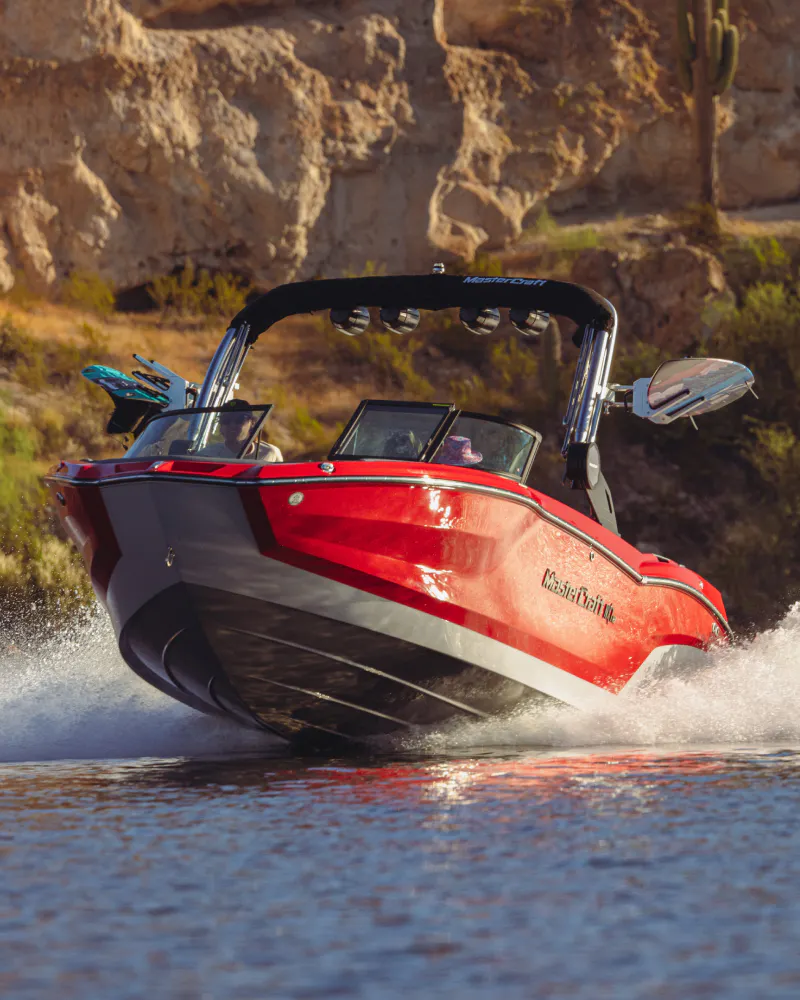
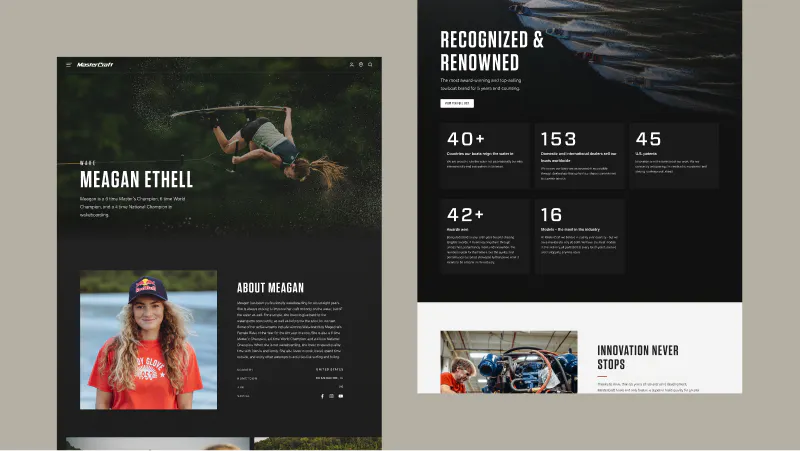
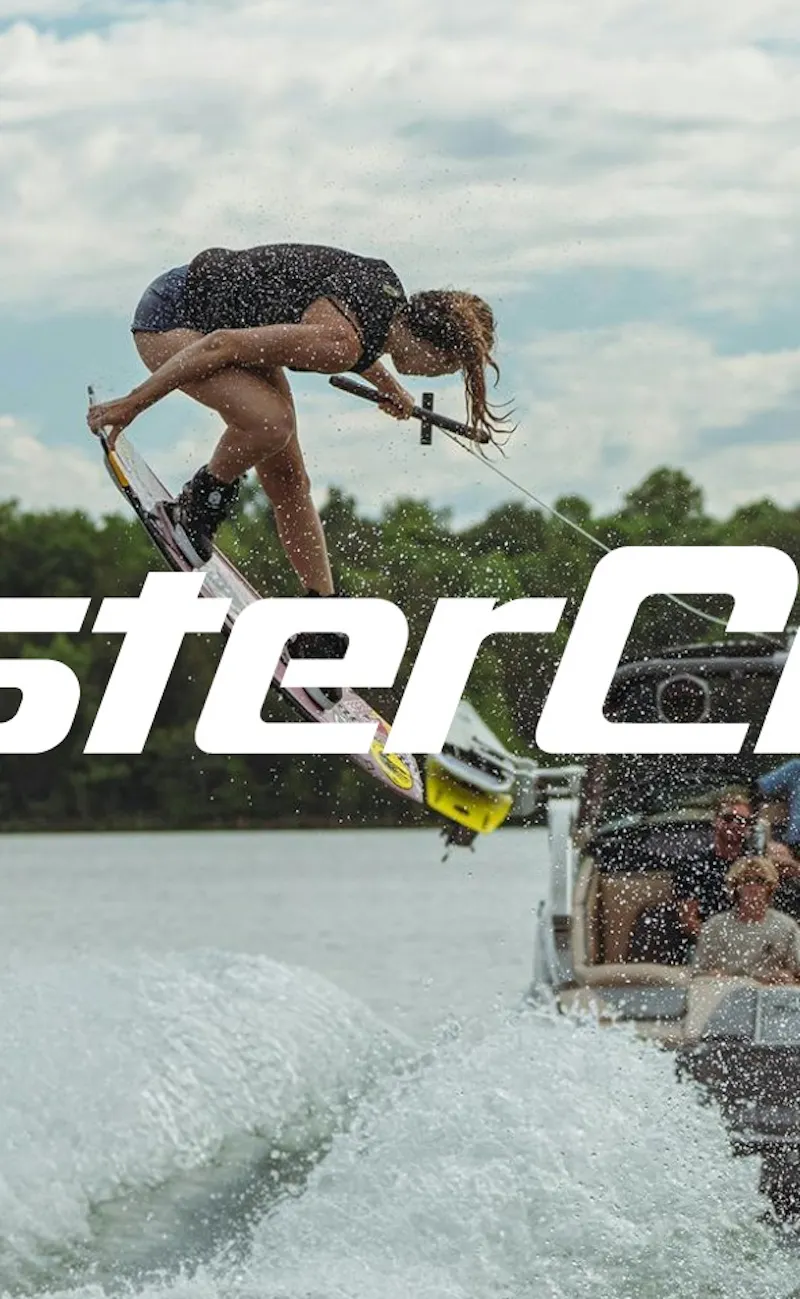
MasterCraft is a premium manufacturer in the marine industry, specializing in high-performance towboats for water sports such as wakeboarding, wakesurfing, and waterskiing. The brand targets affluent consumers, boating enthusiasts, and professional athletes, while also serving a network of authorized B2B dealers. Positioned at the high end of the market, MasterCraft focuses on innovation, craftsmanship, and customized experiences for customers seeking performance, luxury, and lifestyle on the water.
Challenge
Designing One Experience That Serves Both Consumers and Dealers Without Compromise
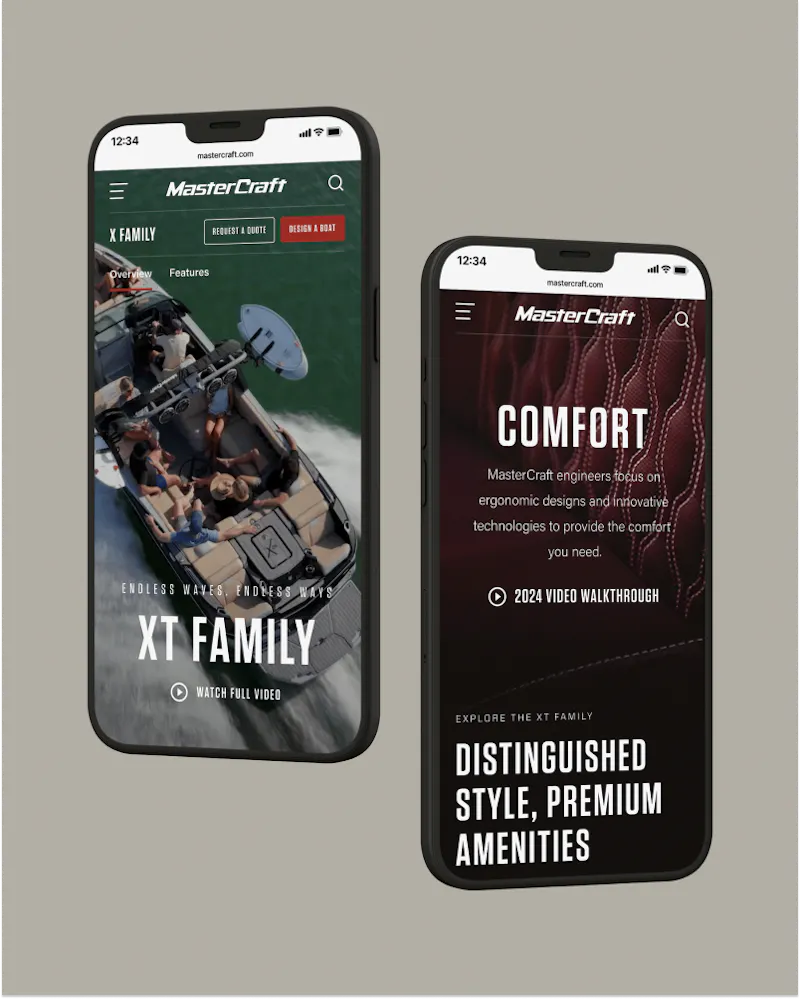
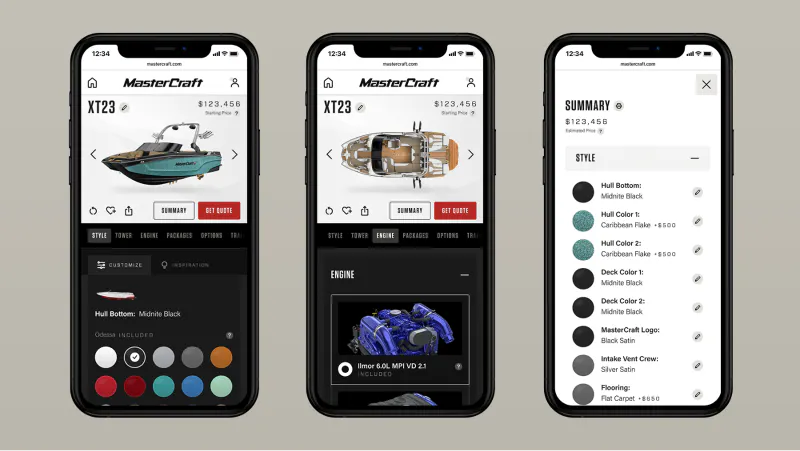
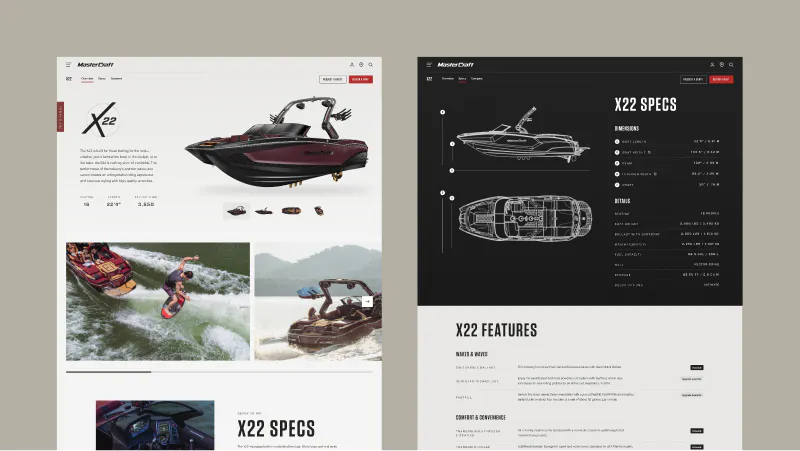
MasterCraft's digital presence needed to work for 2 audiences with fundamentally different goals. End consumers come to the site to discover models, compare features, explore lifestyle content, and ultimately build their ideal boat through the Design-A-Boat configurator. Dealers come to the same site needing efficient access to product specifications, ordering tools, pricing resources, and brand assets.
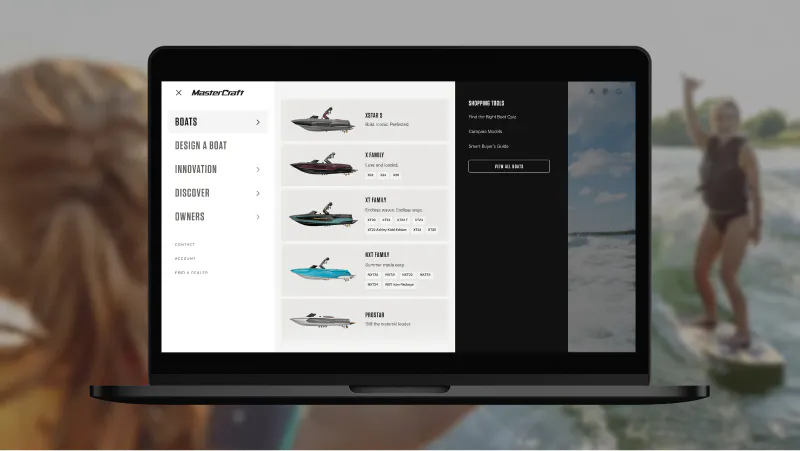
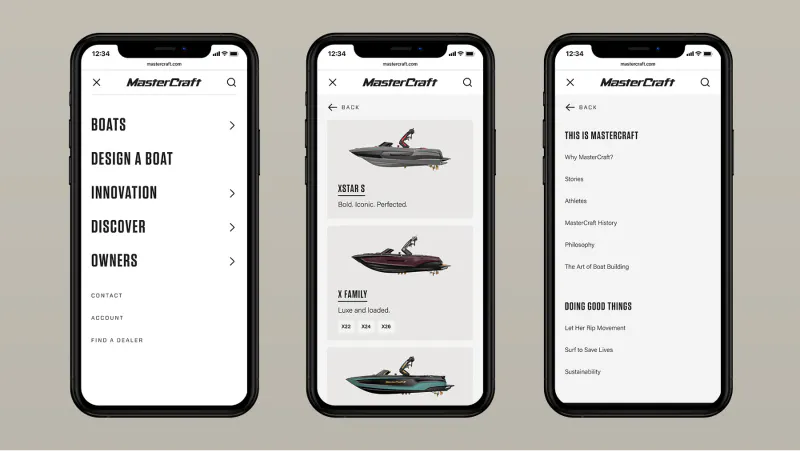
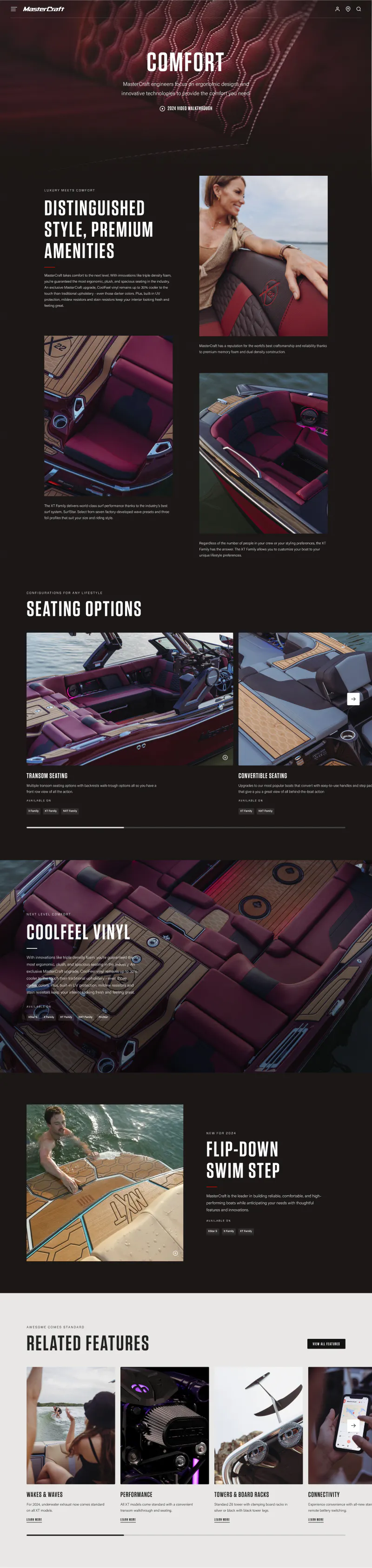
The existing site handled this by blending the two audiences into a single navigation and content structure - which meant neither group got a clear, frictionless path to what they needed. The result was a digital experience that undersold MasterCraft's premium positioning and underperformed on both consumer conversion and dealer efficiency.
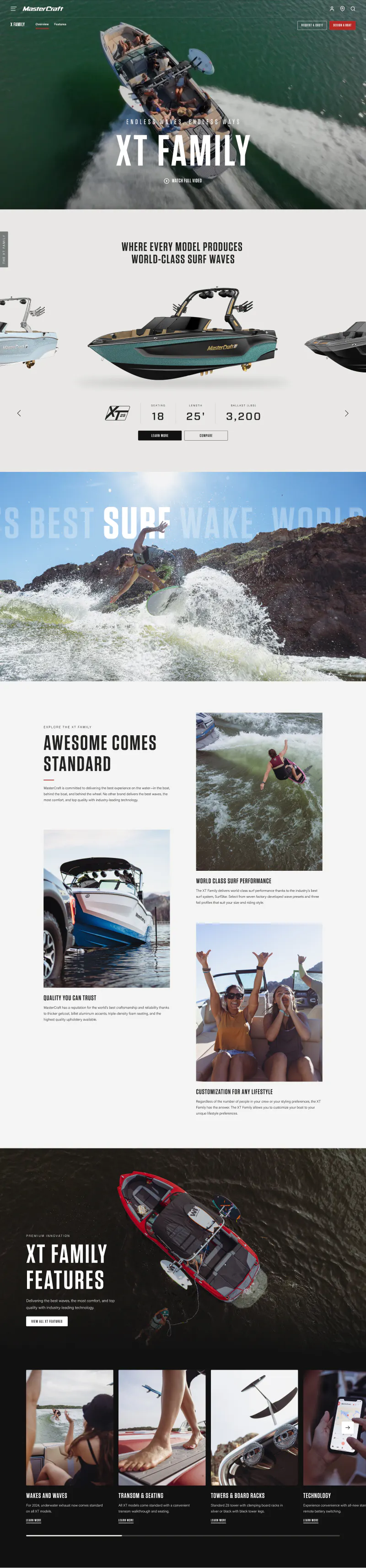
Datmos was engaged to redesign the UX architecture and visual design from the ground up, with a research-led process that would put real user behavior, not assumptions, at the center of every design decision.
Approach
Research-First Design, Grounded in User Data and Brand Positioning
Datmos began the engagement with structured UX research, not a design brief. Before a single wireframe was sketched, the team conducted user research to understand how MasterCraft's consumer and dealer audiences actually navigated the existing site, where they encountered friction, and what they needed to accomplish their goals efficiently.
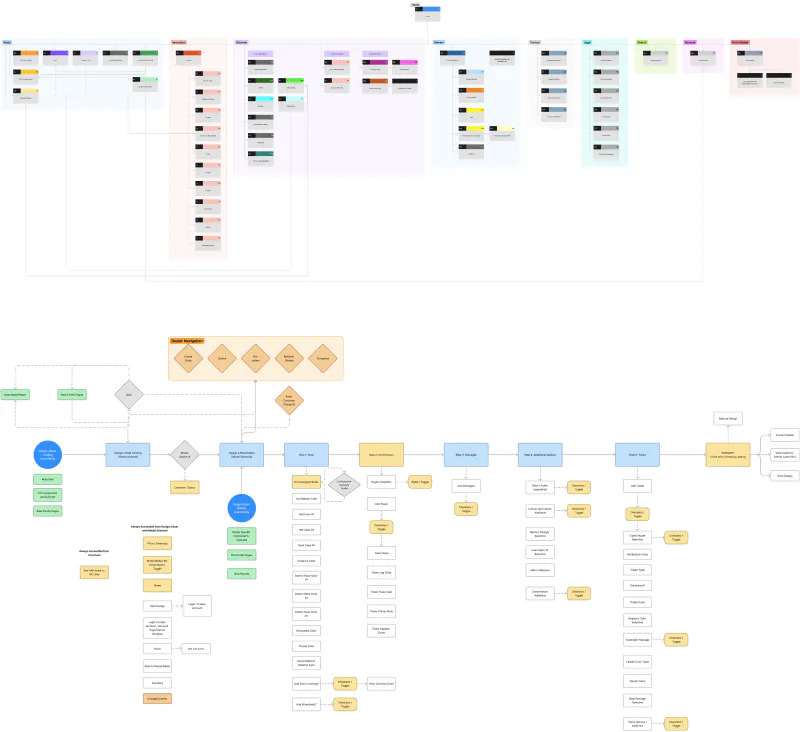
From that research, Datmos built distinct digital personas and user journey maps for each audience type. These became the foundation for every information architecture, navigation, and content hierarchy decision made throughout the project - ensuring that design choices were traceable back to real user data rather than aesthetic preference or internal assumptions.
This research-to-design methodology is a core part of how Datmos approaches digital experience work, and it is why the MasterCraft redesign could be described by the client's own VP of Marketing as applying a 'scientific approach to understand customer behavior, needs, and expectations.'